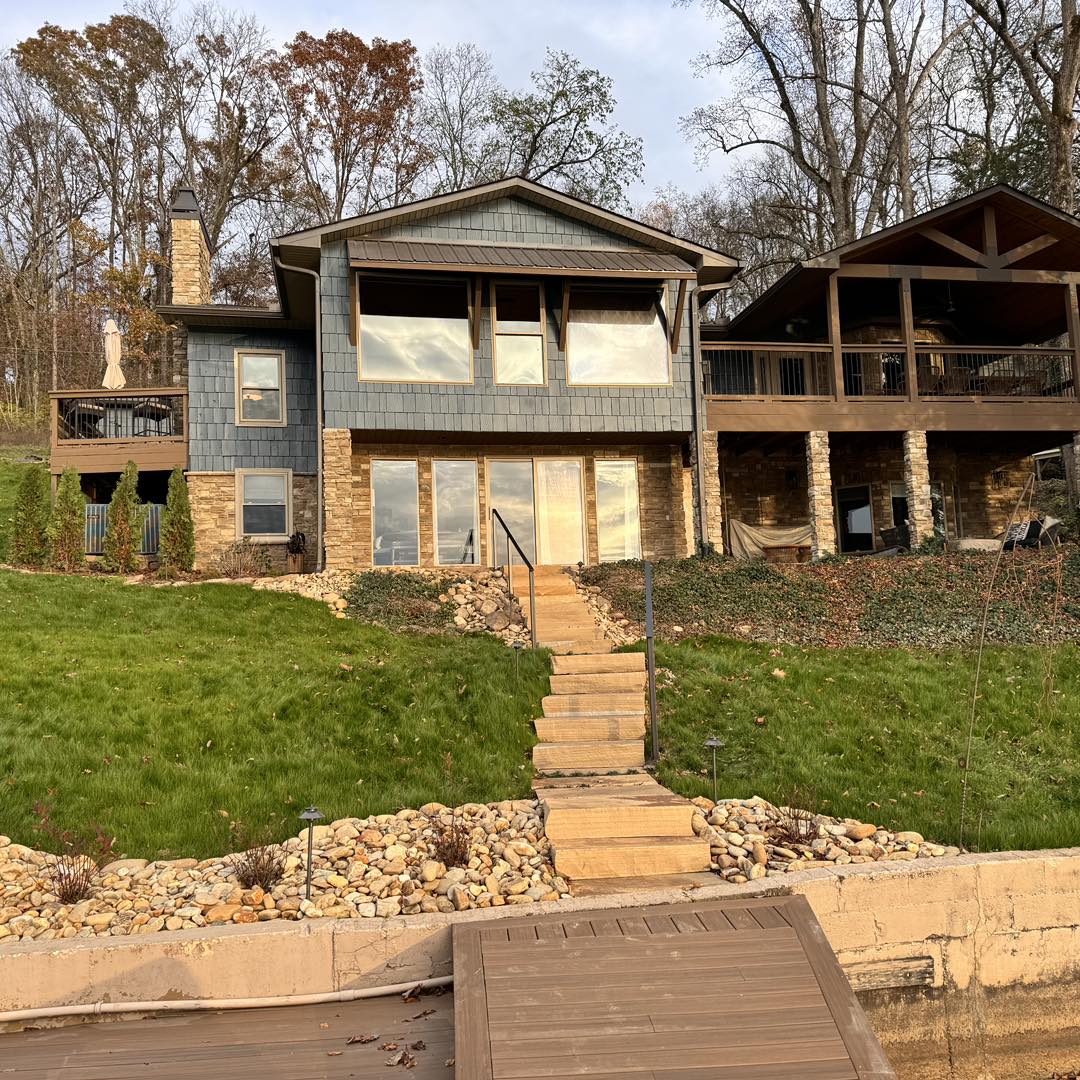
Mixing Function and Art: Designing Multi-functional Outdoor Spaces Dec 28, 2025
First, consider the primary functions you want your outdoor area to fulfill. Are you looking to create a space for entertaining guests, a quiet retreat for relaxation, or a play area for children? Identifying the main purposes of your space will guide all subsequent design choices. Multi-functional spaces should cater to diverse needs, combining elements like cooking areas, seating, and greenery to satisfy various activities.
Once you’ve defined the functions of your space, the next step is to harness the natural features of your surroundings. Take advantage of your landscape’s topography, whether it’s a gentle slope, a panoramic view, or lush, wooded boundaries. These elements can enhance your design by adding depth and interest. Incorporate natural barriers such as hedges or retaining walls to define distinct zones without disrupting the openness of the space.
Balance is crucial in design, especially when mixing artful elements with utility. For instance, adding a water feature can create a visual focal point while providing a soothing backdrop of sound that elevates the ambiance. Sculpture and art installations bring personality and distinction, but they should complement the overall aesthetic rather than dominate it. The key is to achieve a harmonious blend where functional items like pergolas or deck furniture seamlessly coexist with artistic accents.
The choice of materials can significantly impact the versatility and beauty of your outdoor space. Opt for durable, weather-resistant materials that withstand the elements while maintaining visual appeal. Stone, composite woods, and metals are popular for their longevity and style. Incorporate texture and color strategically to enhance contrast and interest throughout the design.
Lighting is another essential element in creating a multi-functional outdoor space. It serves a dual purpose: ensuring the area is usable after daylight fades and setting the mood. Use a combination of overhead lighting, spotlights, and lanterns to highlight features and improve safety. String lights can add a whimsical touch, while strategically placed solar lights offer eco-friendly solutions for pathways and gardens.
Do not underestimate the power of plants in your design. Native plants offer a low-maintenance option with ecological benefits, supporting local wildlife while being well-suited to the climate. Vertical gardens or potted plants can create additional depth and color without encroaching on usable space. Plant selection should complement the intended function, providing shade, privacy, or decorative interest as needed.
In conclusion, the perfect outdoor space is a reflection of your lifestyle and personal taste, expertly balancing artistry with practicality. At Smoky Mountain Landscaping, we appreciate the nuances that make each project unique and strive to create spaces that truly enhance the beauty and functionality of your home. By incorporating thoughtful design elements and a keen eye for detail, you can craft an outdoor living area that is both an escape and a place of connection. Whether you are redesigning an existing patio or starting from scratch, remember these fundamentals, and watch your vision come to life.
/filters:no_upscale()/filters:format(webp)/media/a8e7fb24-d5cb-43b8-b411-db11394db68a.jpeg)
/filters:no_upscale()/filters:format(webp)/media/b44dd893-d273-4c39-921d-e0a6112563f9.jpeg)