Integrating Sustainable Practices into Your Smoky Mountain Landscape Nov 02, 2025
The first step in integrating sustainable practices into your Smoky Mountain landscape is to assess your current setup. Understanding the specific needs of your soil and local plants will guide your landscaping choices, ensuring they are both aesthetically pleasing and environmentally friendly. A soil test can provide insights into nutrient levels, pH balance, and structure, all crucial factors for selecting plants that will thrive with minimal intervention.
One of the most effective strategies in sustainable landscaping is the use of native plants. These species have evolved to thrive in the Smoky Mountain climate and require less water and fertilizer than non-native options. By choosing native flora, you support local wildlife and reduce the need for chemical pesticides. Consider incorporating plants like Eastern Redbud or Black-eyed Susan, which are not only native but also bring vibrant color to your garden.
Water conservation is another key component of sustainable landscaping. Utilizing methods such as drip irrigation systems or rainwater harvesting can significantly reduce water waste. Drip irrigation delivers water directly to the plant’s roots, minimizing evaporation, while rainwater harvesting captures and stores rain for future use on your garden. These techniques not only save resources but can also lower your water bill.
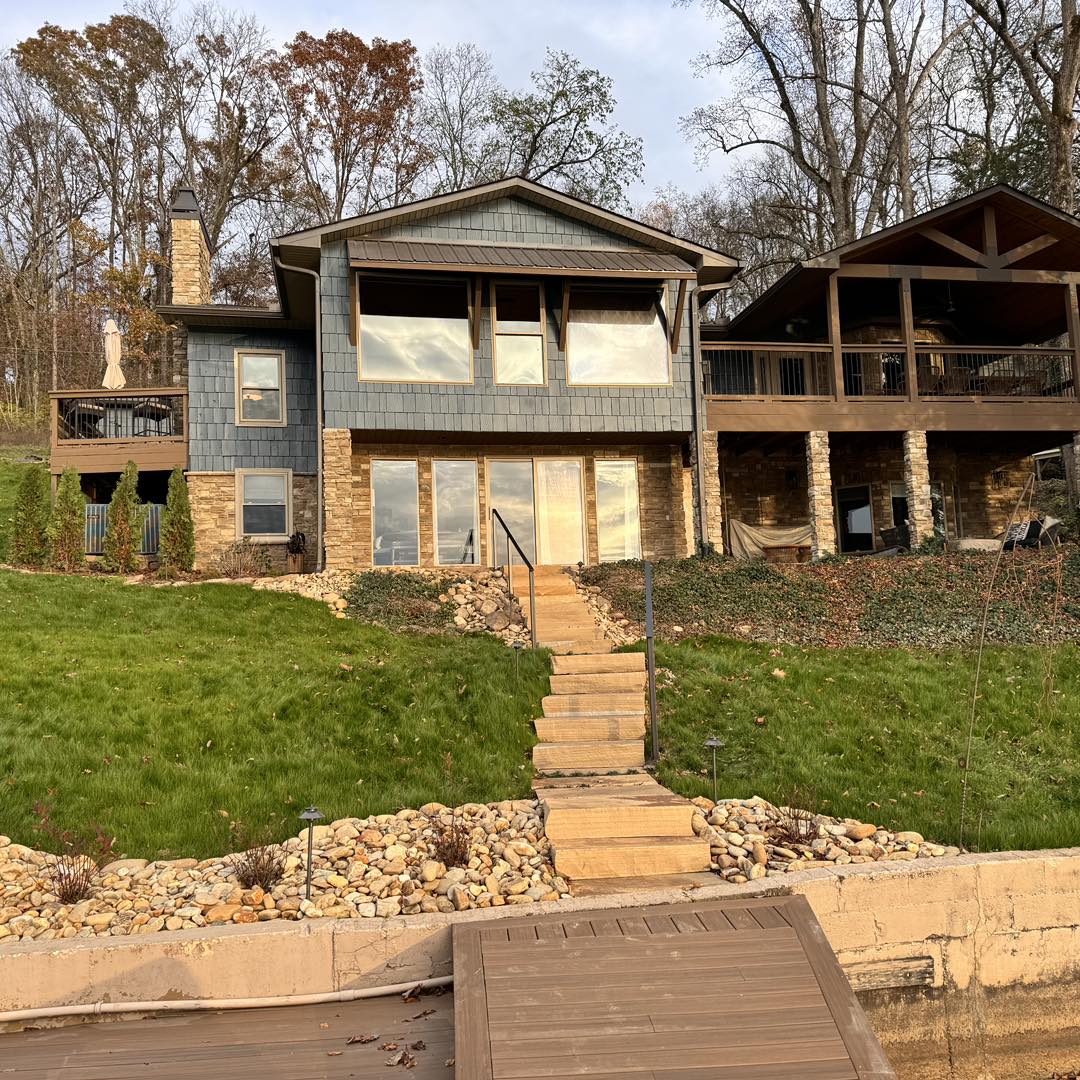
Incorporating hardscapes made from recycled materials is another way to enhance sustainability. Pathways and patios constructed from reclaimed wood, bricks, or stones not only create visual interest but also contribute to a more sustainable approach by reusing materials that would otherwise end up in a landfill. Furthermore, permeable paving options allow rainwater to seep into the ground, reducing runoff and erosion.
Composting is another practice Smoky Mountain Landscaping highly recommends. By turning garden waste and kitchen scraps into nutrient-rich compost, you can enrich your soil naturally without the need for chemical fertilizers. This not only reduces your household waste but also creates a sustainable cycle within your landscape.
Integrated Pest Management (IPM) is essential in maintaining a healthy, sustainable garden. By using a combination of biological controls, cultural practices, and precise use of chemicals when necessary, IPM promotes a balanced ecosystem that naturally regulates pest populations. Encouraging beneficial insects such as ladybugs and lacewings can also help keep pests under control, reducing your reliance on chemical pesticides.
In conclusion, integrating sustainable practices into your Smoky Mountain landscape has numerous benefits, from reducing your environmental footprint to creating a beautiful, self-sustaining outdoor space. By choosing native plants, conserving water, using recycled materials, composting, and employing pest management strategies, you can enjoy a garden that is both functional and environmentally friendly. Smoky Mountain Landscaping is here to assist you on this journey, offering expert guidance and services to help create your own piece of sustainable paradise. By embracing these eco-friendly practices, you not only contribute to a healthier environment but also ensure that your landscape remains a stunning retreat for years to come.
/filters:no_upscale()/filters:format(webp)/media/a8e7fb24-d5cb-43b8-b411-db11394db68a.jpeg)
/filters:no_upscale()/filters:format(webp)/media/b44dd893-d273-4c39-921d-e0a6112563f9.jpeg)