Discover the Art of Sustainable Landscaping for a Greener Tomorrow Nov 24, 2025
Sustainable landscaping involves designing, building, and maintaining gardens and lawns using methods that benefit the environment. The primary goals are to reduce water usage, minimize waste, decrease reliance on chemical fertilizers, and enhance biodiversity. Implementing these practices can contribute to preserving natural resources while maintaining aesthetic appeal.
One of the key strategies in sustainable landscaping is choosing native plants. Native plants are adapted to the local climate and soil conditions, making them more resilient and less resource-intensive. This means less need for watering and fertilization, saving you time and money while reducing harm to the environment. At Smoky Mountain Landscaping, we can help you identify plants indigenous to your area, ensuring your garden thrives in harmony with nature.
Water conservation is another critical aspect of sustainable landscaping. Consider integrating drip irrigation systems that target the roots of plants directly, reducing water wastage. Additionally, collecting rainwater in barrels can provide a sustainable water source for your landscape. Implementing mulching techniques also helps retain soil moisture, cutting down on the need for frequent watering.
Soil health plays a vital role in sustainable landscaping. Composting is an effective way to enrich soil without synthetic fertilizers. By recycling organic waste such as kitchen scraps and yard trimmings, you create nutrient-rich compost that can enhance plant growth naturally. This practice not only diverts waste from landfills but also reduces greenhouse emissions.
Reducing lawn size can also contribute to a more sustainable landscape. Traditional lawns require significant water, fertilizers, and pesticides, making them less eco-friendly. Consider replacing portions of your lawn with ground covers, ornamental grasses, or a wildflower meadow. These alternatives are not only attractive but support pollinators like bees and butterflies, boosting biodiversity.
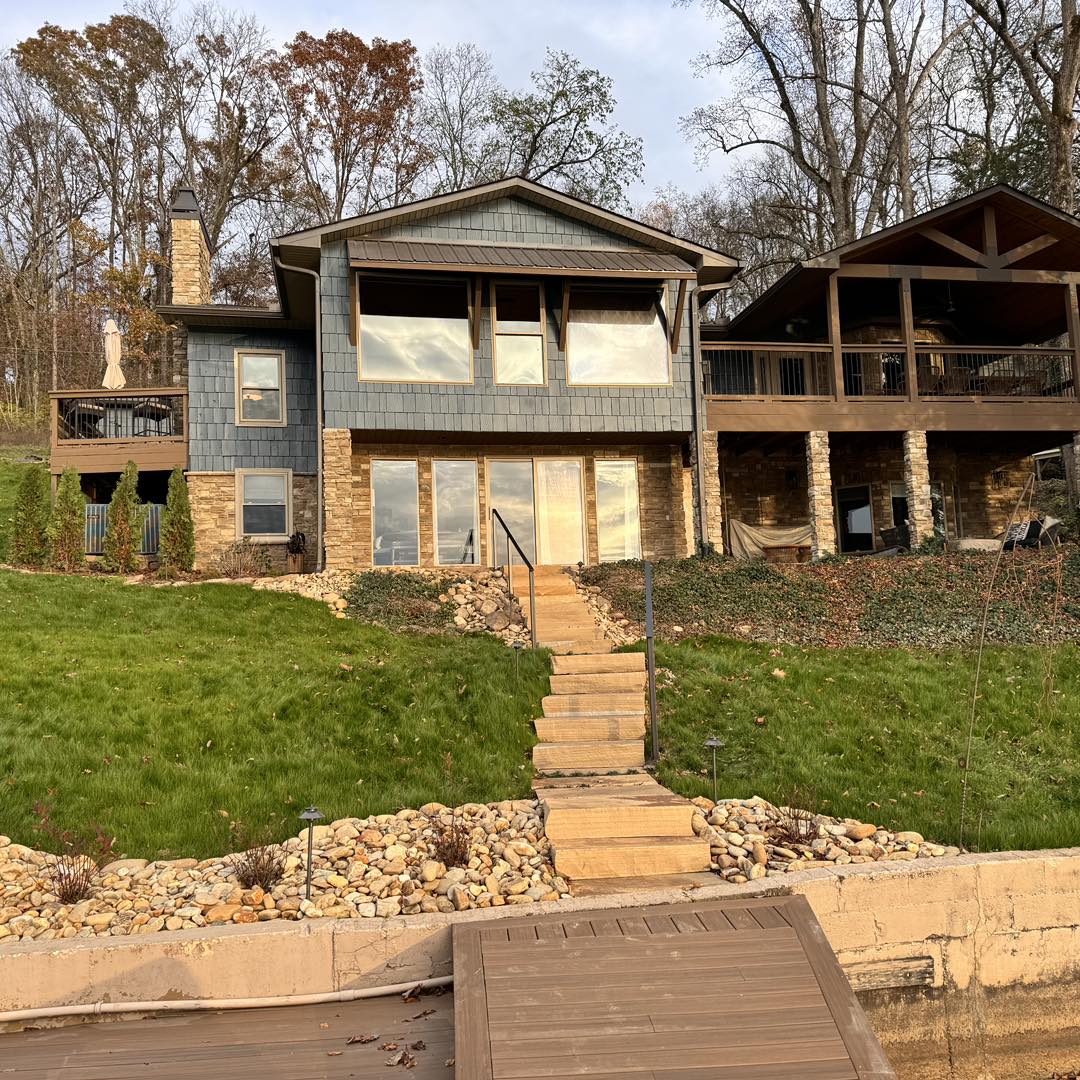
Hardscape design also factors into sustainable landscaping. Use permeable materials such as gravel or pavers that allow rain to seep through, minimizing runoff and erosion. Choosing locally sourced and recycled materials can further reduce your landscape’s environmental impact.
Finally, consider sustainable pest management practices. Opt for natural solutions such as planting pest-repelling plants or using biological controls like ladybugs and nematodes. These methods can keep your garden healthy without relying on harmful chemicals.
Incorporating sustainable landscaping practices not only enhances the beauty and functionality of your outdoor space but also contributes to a more sustainable future. Smoky Mountain Landscaping is committed to helping customers blend ecological responsibility with outstanding design. Our team of experts is here to guide you every step of the way in transforming your landscape into a green sanctuary.
By adopting these sustainable practices, we not only beautify our surroundings but also play a crucial role in preserving the environment for future generations. At Smoky Mountain Landscaping, we're passionate about creating landscapes that support a greener tomorrow. Let's work together to craft a landscape that reflects your values and contributes to the well-being of our planet.
/filters:no_upscale()/filters:format(webp)/media/a8e7fb24-d5cb-43b8-b411-db11394db68a.jpeg)
/filters:no_upscale()/filters:format(webp)/media/b44dd893-d273-4c39-921d-e0a6112563f9.jpeg)